 Tvoi Concierge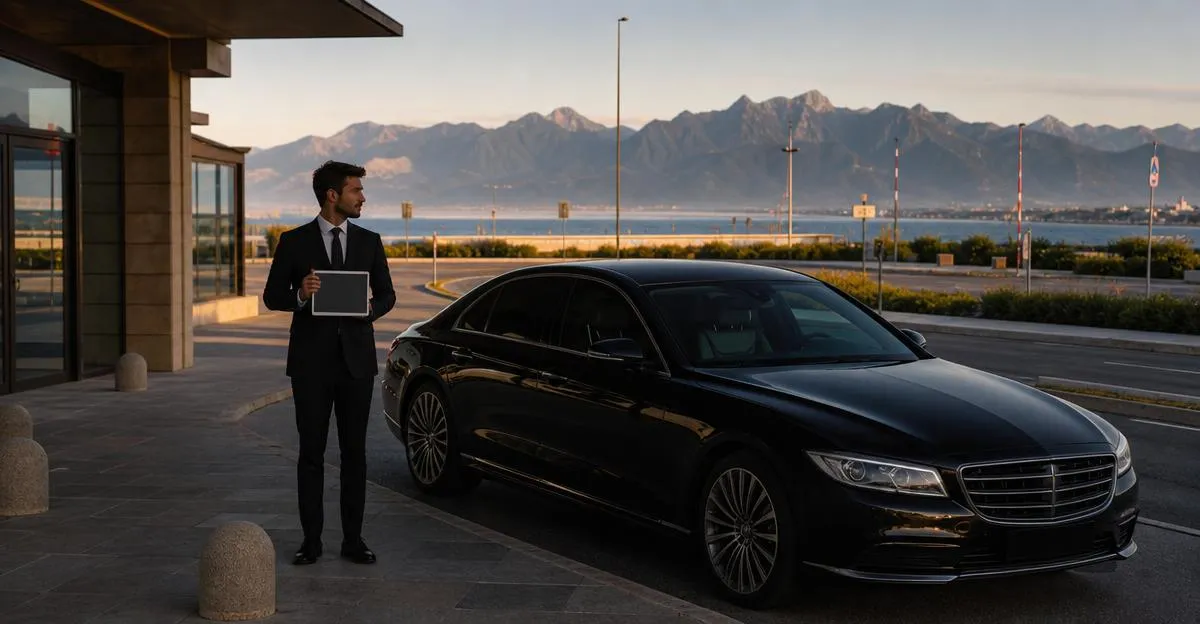
The closest airport to Forte dei Marmi is Pisa Galileo Galilei (PSA), roughly 40-45 km away, which is 35-45 minutes by car outside peak traffic. Forte dei Marmi has no airport of its own and no flights land in the town, so every arrival is a flight into Pisa, Florence (FLR), Genoa (GOA) or Bologna (BLQ) followed by a road or rail leg along the coast. This guide sets out how to get to Forte dei Marmi from each of them: driving times, the train route from Pisa and its change, when Florence or Genoa genuinely makes more sense, what private aviation and helicopters actually allow in Versilia, and how summer traffic on the A12 changes the maths. At the end there is a checklist for booking a transfer.
Pisa PSA: the closest airport, about 40 minutes by car
Galileo Galilei airport sits roughly 40-45 km south of Forte dei Marmi. The route is simple: the A12 coastal motorway north towards Genoa, exit at Versilia, then a few minutes to the centre. Reckon on 35-45 minutes in normal conditions and longer on a summer weekend. A Pisa airport transfer to Viareggio is a few minutes shorter, Pietrasanta and Marina di Massa a few minutes either way. Pisa is also the best-served airport for this coast, with the widest European network including low-cost carriers, which is why most Versilia guests land here. A private transfer is booked against your flight number, so the driver follows the arrival and waits if you are delayed, with luggage and child seats agreed in advance. The taxi rank outside arrivals is an alternative, but this is a long fare, so settle the price before you set off. Car hire desks are in the terminal and suit guests planning day trips to Lucca, the Cinque Terre or Chianti, though parking in Forte dei Marmi in July and August becomes a project of its own.
Florence FLR: 100-110 km, when the flight only lands there
Amerigo Vespucci airport is about 100-110 km from Forte dei Marmi. The road runs on the A11 towards Lucca and Viareggio, then north on the A12. Mapping apps show around an hour of pure motorway, but with the exit from Florence and the usual coastal traffic, plan for 1 hour 20 minutes to 1 hour 40 minutes door to door. Florence makes sense when the trip starts in the city (a few days of museums, then the sea) or when the schedule only works with an FLR flight. Its network is mostly European and the runway limits aircraft size, so long-haul travellers normally connect through Frankfurt, Paris, Amsterdam, Munich or Istanbul. If you land in Florence and go straight to the coast, book a driver to meet you in arrivals: by train you first have to reach Santa Maria Novella station and then change, which is no fun with four suitcases.
Genoa GOA and Bologna BLQ: the alternatives worth pricing
Genoa Cristoforo Colombo is about 140 km from Forte dei Marmi, roughly 1 hour 40 minutes to 2 hours by car on the A12 through the Ligurian tunnels. It is a genuine option when the fare or the departure time beats Pisa, and it pairs naturally with a stop in the Cinque Terre or Portofino on the way down. Bologna Marconi is further out, about 185-190 km and around two hours by car across the Apennines, but it has by far the widest route network in the region, including intercontinental and Gulf connections. For a one-stop arrival from Asia, the Middle East or the Americas, Bologna often wins on flight choice even with the longer drive. Milan (Malpensa and Linate) sits at roughly 250-300 km and only makes sense when a long-haul arrival is combined with a night in Milan.
By train: Forte dei Marmi has no station of its own
The nearest stop is called Forte dei Marmi-Seravezza-Querceta and lies a few kilometres inland from the seafront, so a short taxi or bus ride finishes the journey. Pietrasanta is the next option, around 5 km away and often better served. Viareggio, about 11 km south, is where the long-distance trains call: Frecciabianca and Intercity services on the coastal line between Rome and Genoa. From Pisa airport the sequence is fixed: the automated Pisamover from the terminal to Pisa Centrale, about 5 minutes and running from roughly 06:00 to midnight, then a regional train up the coast. Pisa Centrale to Viareggio takes roughly 15-20 minutes, to Pietrasanta and Querceta roughly 25-40 minutes depending on the service. Total time is comparable to a car, but you move the bags through two changes, which is why families with children and several suitcases almost always end up in a car.
Private jets and helicopters into Versilia
For business aviation there is one practical gateway: Pisa. Business flights are handled away from the commercial terminal, and the main runway of close to 3,000 metres takes everything from light jets to ultra long range aircraft. Handling, customs, slots and the car on the apron are arranged in advance, and the drive to the coast is the same 35-45 minutes. Lucca-Tassignano (LIQL), about 5 km from Lucca, is the small local alternative. It takes general aviation, but the asphalt runway is only around 900 metres and opening hours are limited, so it suits light aircraft and turboprops rather than business jets. A helicopter is the fastest link of all: from Pisa the flight is a matter of minutes, but landing requires an approved helipad agreed beforehand, so it is planned days ahead, never improvised on the day of arrival.
Summer traffic: Fridays, Sundays and the whole of August
The entire coast depends on one motorway, the A12, and in July and August that shows. Friday afternoons and evenings carry the arrivals from Milan and Florence; Sunday afternoons carry everyone back. The Versilia, Massa and Viareggio exits queue, and the SS1 Aurelia, the obvious alternative, fills up in parallel. The working rule: add 30-45 minutes to any summer transfer on a Friday evening or a Sunday afternoon, and be generous with the buffer when you have a flight to catch. For a departure from Pisa on a Sunday in August, leaving three hours before take-off is not excessive. The peak falls around Ferragosto in mid-August, and evening events in Forte dei Marmi, Pietrasanta and Viareggio add local traffic on top.
Which airport to choose: the short answer
Flying within Europe and going straight to the sea: Pisa, almost always. Starting with a few days in Florence: FLR, then continue to the coast by car. Arriving long-haul with one stop: check Bologna for the flight and accept the two-hour drive. Coming from Liguria or combining with the Cinque Terre: Genoa. Travelling by private jet: general aviation at Pisa. The other variable is arrival time. A landing after 22:00 narrows the options sharply: regional trains thin out and the taxi rank at a quiet airport becomes a lottery. That is exactly when a pre-booked car, with a driver already tracking your flight, turns an awkward evening into a 40-minute drive.
What to confirm before booking a transfer
- Flight number and airline, so the driver follows delays and schedule changes.
- Number and size of bags: golf clubs, a surfboard or a pram change the car you need.
- Children's ages and weights: child seats are compulsory in Italy and must be booked.
- Meeting point: arrivals hall with a name sign or kerbside pickup, plus the driver's phone.
- Waiting time policy: free minutes included after landing, and the cost of each extra half hour.
- Exact address in Forte dei Marmi: hotel or villa name, street number, gate code.
- Final price and what it covers: tolls, night surcharge, extra stops on the way.
- A WhatsApp contact for the travel day in case the flight moves.
Transfers to Forte dei Marmi with Tvoi Concierge
We meet you at Pisa, Florence, Genoa or Bologna: a driver with a name sign, help with the luggage, child seats fitted in advance and a car or van of the right size. Door to door to your hotel or villa in Forte dei Marmi, with your flight tracked from landing.